
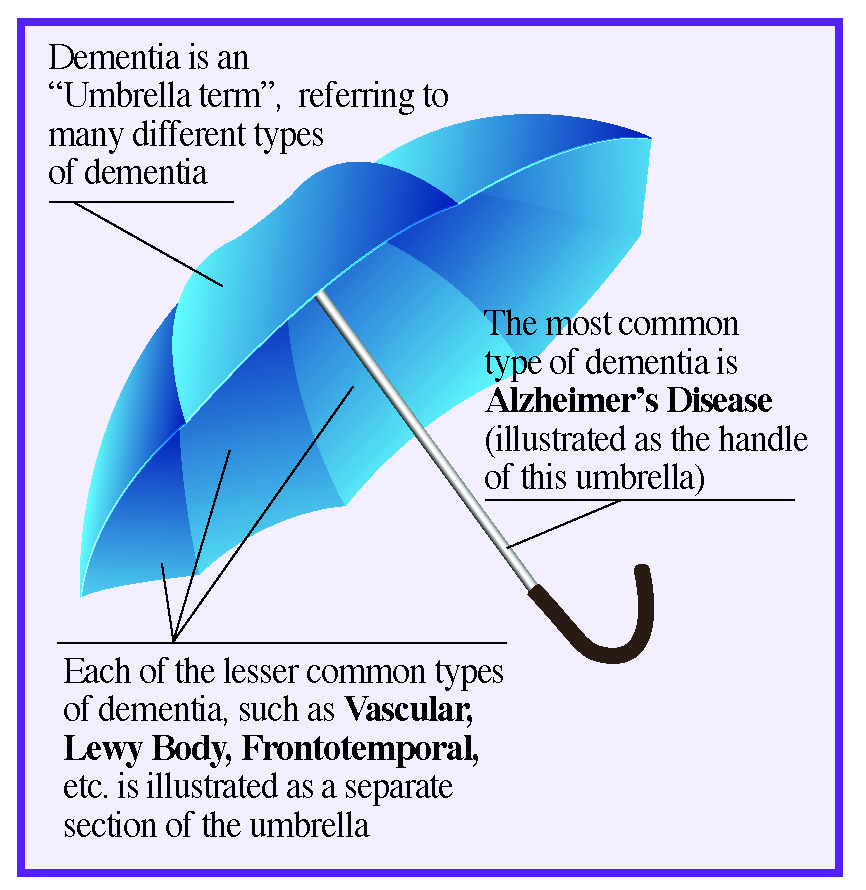
By C.Angela Burrow, RN(UK), CDP, CADDCTDementia refers to a group of symptoms, with more than 100 types.Alzheimers disease and Vascular Dementia are the most common.
Not everyone with dementia shows the same symptoms, even within the same diagnosis, and each persons experience will vary.People with dementia often experience reality differently.Reasoning or arguing wont change that, and constant correction can cause agitation.Instead, caregivers can connect through reminiscencediscussing familiar past events that build comfort, confidence, and better communication.
Creativity and flexibility are essential.If one approach fails, try another.As dementia progresses, the person becomes more dependent, requiring more supervision.Tasks should be simplified and broken into small steps, with steady reassurance as the caregiver compensates for increasing loss of skills.Even if someone loses the ability to understand words, they still feel emotional cues.
Anger or impatience can frighten them, while calmness and patience help them feel safe.A caregivers emotional tone may communicate more than their words.Common DefinitionsCognition Mental processes such as thinking, understanding, remembering, judging, and problem-solving.Memory loss or forgetfulness Mild forgetfulness is common with aging and does not worsen or interfere with daily life.Most older adults retain strong abilities to learn and solve problems.
Medical issues, medications, depression, or vitamin deficiencies can also affect memory.Profound memory loss is never normal aging.Mild cognitive impairment Causes difficulty learning new information and increased forgetfulness.Not all with MCI develop Alzheimers, but the risk is higher.Dementia An umbrella term for progressive cognitive decline.
Some causes are reversible, but most are not.Common Causes of Progressive DementiaAlzheimers Disease The most common cause, marked by plaques and tangles in the brain.Memory loss and behavioral changes are typical and cover a broad spectrum from apathy and social withdrawal to paranoia, combativeness, and agitation.Vascular Dementia Caused by reduced blood flow to the brain, often due to strokes or TIAs.Parkinsons disease Some people develop dementia symptoms in later stages.Lewy Body dementia Causes cognitive decline, Parkinson-like movement issues, hallucinations, and fluctuating symptoms.Frontotemporal dementia Often begins before age 65, affecting personality, language, mood, and behavior more than memory.To learn more, visit WWW.ALZ.ORGfor virtual or in-person education sessions on dementia, communication, caregiving, and more.
Publisher: Life Plan Community ( Read More )