
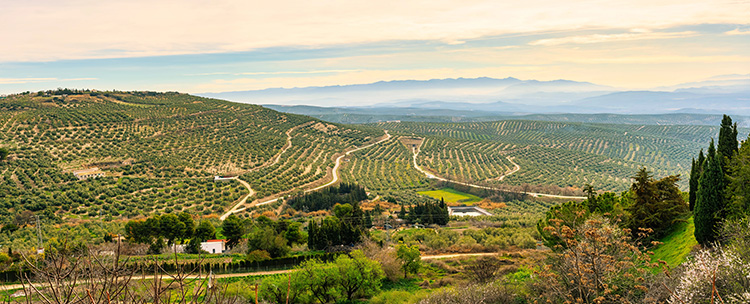
Learn About the Heart-Healthy Secret of Spanish Kitchens Through Unique Experiences on a Gastronomic Trip to SpainBy Carolyn WorthingtonA number of years ago, I produced a public television documentary on the romance and culture of the making of olive oil.What struck me most was how each olive oilproducing area has its own distinct culturelocals who take pride in their oils, chef-owned restaurants that celebrate regional flavors, and welcoming farms that open their doors to visitors.That experience also revealed something larger: Spains olive oil story is not defined by a single place, but by a collection of regions, each with its own character and traditions.Spain is considered one of the leading producers of olive oil in the world, with regions such as Andaluca, Extremadura, Castile-La Mancha, Catalonia, the Region of Valencia, and Aragn each contributing to a rich and varied olive oil landscape.If you are a foodie, someone interested in learning more about the healthy secrets of other cultures, or simply a traveler seeking meaningful, immersive experiences, a gastronomic journey through Spains olive oil regions offers a deeper, more meaningful way to experience the country.A Lifestyle Rooted in Simplicity and HealthIn Spain, olive oil is not treated as a specialty product.
It is a daily essentialdrizzled, dipped, and savored in ways that feel both effortless and intentional.Alongside whole olives, fresh vegetables, fish, and grains, it forms the foundation of what is widely recognized as the Mediterranean diet.This approach has long been associated with cardiovascular health and overall well-being.Extra virgin olive oil, rich in monounsaturated fats and natural antioxidants, plays a central role.
Olives themselvesserved simply and enjoyed in moderationoffer a satisfying, traditional alternative to highly processed snacks.But beyond the science, what stands out most is the lifestyle: meals enjoyed slowly, ingredients chosen thoughtfully, and food treated as both nourishment and pleasure.Andaluca: The Heart of Olive Oil CountryNo region defines Spains olive oil identity more clearly than Andaluca.In the province of Jan, often called the olive oil capital of the world, endless groves blanket the landscape.Visitors can tour estates such as Olecola San Francisco, where guided experiences may include carriage rides through olive groves, harvesting demonstrations, and professional tastings that reveal the subtle flavors of different oils.Nearby UNESCO-listed towns like beda and Baeza add a cultural layer, with Renaissance architecture and a slower pace of life.For relaxation, Hospes Palacio del Bailo offers olive oilbased spa treatments within a historic Roman bath setting.Stay: Parador de JanDine: Dama JuanaExtremadura: Spains Hidden GemLess traveled but deeply authentic, Extremadura offers a more intimate connection to olive oil culture.In Cceres, a beautifully preserved medieval city, visitors can explore tasting centers such as Centro de Interpretacin del Olivar, then venture further into the region to places such as Museo del Aceite de Monterrubio, where traditional production methods and the history of olive oil are brought to life through exhibits and guided visits.This region also lends itself to wellness-focused travel, with rural properties and historic estates offering spa treatments incorporating locally produced olive oil.Stay: Atrio Restaurante HotelDine: AtrioCastile-La Mancha: Olive Oil Meets Wine CountryThe rolling plains of Castile-La Manchafamous for their connection to Don Quixoteoffer a unique blend of olive oil and wine culture.Experiences such as Oleoturismo Valdepeas allow visitors to pair olive oil tastings with regional wines, creating a fuller picture of local gastronomy.Historic Toledo provides a stunning base, with its hilltop setting and centuries of layered history.Stay: Parador de ToledoDine: AdolfoCatalonia: Ancient Trees and Culinary InnovationIn Catalonia, olive oil traditions stretch back centuriesquite literally.The Terres de lEbre region is home to the Route of the Thousand-Year-Old Olive Trees, where ancient groves create a landscape unlike any other.For a visitor-ready experience, travelers can book a guided tour of the Arin Natural Museum of Millenary Olive Trees in Ulldecona, which includes a walk among the ancient trees and an olive oil tasting.Another option is an olive oil tourism visit with Oli Coll de lAlba in Baix Ebre, which offers a walk among the olive trees and a tasting of premium extra virgin olive oil.A visit to Clos Pons offers a unique combination of vineyard and olive oil production.
Clos Pons is a boutique winery that has been family-owned and operated since 1945.They specialize in premium wines and olive oil.All of the wines are grown, produced, and bottled on the property.If you are fortunate to have lunch at Clos Pons, like I did, you might be served local meats and cheeses, veal scallopine with mushrooms, orelletesfried pastrytopped with tangerine-flavored olive oil and fruit salad, drizzled with orange-flavored olive oil.From there, Barcelona provides a striking culinary contrast, where these same oils are reimagined in modern Catalan cuisine.Stay: Hotel Arts BarcelonaDine: El Celler de Can RocaValencia: Organic Traditions and Active TravelThe Region of Valenciaparticularly around Requenais known for organic olive oil production and a strong connection to the land.Here, visitors can arrange guided olive oil tastings with producers such as Aceites Lis, where tours introduce traditional cultivation methods and include tastings of locally produced extra virgin olive oil.The surrounding countryside also lends itself to cycling through vineyards and olive groves along the Utiel-Requena route, as well as relaxed walking trails that connect small villages and agricultural landscapesideal for travelers seeking a more active, immersive experience.Stay: Hotel Rural Pago de TharsysDine: Ricard Camarena RestaurantAragn: A Quiet, Undiscovered RegionFor those looking to venture off the beaten path, Aragn offers a quieter, more rugged experience.In areas like Bajo Aragn, visitors can tour producers such as Almazara Artal, while nearby towns like Alcaiz provide historic charm.Outdoor enthusiasts will appreciate the hiking and nature experiences that complement the regions culinary offerings.Stay: Parador de AlcaizDine: La Fbrica de SolfaAdd Spains Olive Oil Routes to Your Bucket List TravelSpains olive oil regions offer more than beautiful landscapes and exceptional food.
They provide a window into a way of lifeone that values tradition, connection, and well-being.For travelers seeking experiences that are both enriching and enjoyable, a journey through olive country delivers on every level: taste, culture, and health.So, for your next vacation, why not combine it all?This article is part of a 2026 editorial partnership with the Spain Tourism Office.All editorial content is independently produced by Healthy Aging.
Disclaimer: This story is auto-aggregated by a computer program and has not been created or edited by Senior Savings Deals.
Publisher: Healthy Aging ( Read More )
Publisher: Healthy Aging ( Read More )