
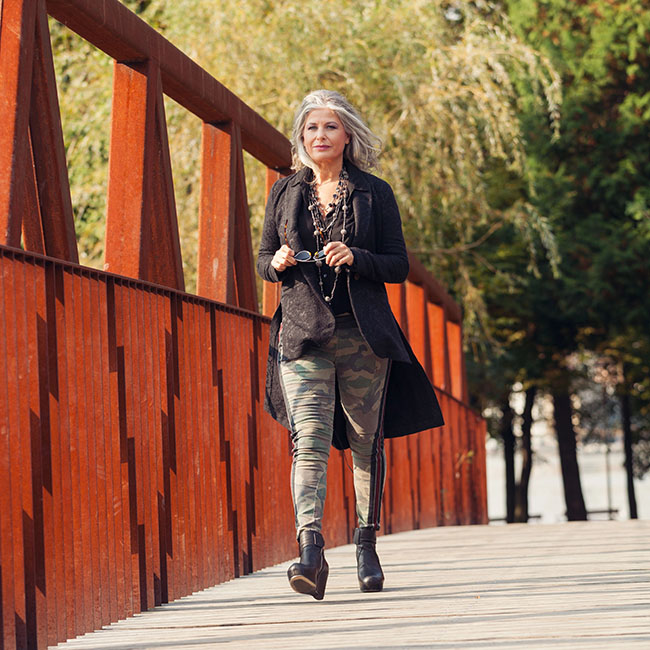
Are you shortening your daily walks because you just feel too sore to go your usual distance? What about gardening are you using a stool these days instead of bending over? Avoiding picking up a grandchild because youre more worried about your back?These are the kinds of activities that make life enjoyable, but nagging pain and stiffness can sometimes get in the way.Without even realizing it, you start compensating You take the elevator instead of the stairs.You shorten your walks.You pass up an activity because youre not sure how your knees, hips, or back will feel afterward.Over time, those little decisions can add up, gradually limiting the very activities you enjoy most.But does getting older necessarily mean accepting a less active lifestyle?Looking Beyond Pain ReliefPain medication can provide welcome relief, and for many people it plays an important role in managing discomfort.
But addressing pain isnt always the same as addressing the factors that may be contributing to it.Muscle strength, flexibility, balance, and confidence in movement can all influence our ability to remain active.And while some physical changes come with age, that doesnt mean we should automatically lower our expectations for what our bodies can do.In the Fall 2026 issue of Healthy Aging Magazine, physiotherapist Phil Evans explores a different way of thinking about pain and stiffness.With more than 20 years of experience helping adults improve their mobility, Evans encourages readers to look beyond simply relieving discomfort and consider how movement, strength, and confidence can help them continue doing the things they love.From Healthy Aging Magazine: How to Overcome Pain and Stiffness Without Relying on DrugsExcerpt by Phil EvansHeres one of the biggest misunderstandings Ive seen after more than twenty years as a physiotherapist.Too many people spend years trying to reduce pain when what they often need to do is rebuild the muscles, movement, and confidence that support their joints.Painkillers can play an important role.They can reduce pain enough to help you sleep better, get through the day, or start moving again.
For many people, thats exactly whats needed in the short term.The problem isnt the medication itself.Its when painkillers become the whole plan instead of one part of a bigger strategy.They cant strengthen muscles, improve balance, or rebuild confidence.
Those things come from giving your body the opportunity to adapt.Five Ways to Keep Moving ForwardIn his complete magazine article, Evans outlines five practical approaches to maintaining mobility, rebuilding strength, and feeling more confident about physical activity.He also discusses why walking, while beneficial, may not be enough on its own, how strength training supports everyday movement, and the importance of focusing on the activities you want to continue enjoying.Whether your ambition is to travel more, return to a favorite hobby, or simply move through everyday life with greater ease, his advice offers a useful perspective.Read Phil Evanss complete article, How to Overcome Pain and Stiffness Without Relying on Drugs, in the Fall 2026 issue of Healthy Aging Magazine.Subscribe to Healthy Aging Magazine for the full article and more inspiration to live better and age smarter.About the AuthorPhil Evans (Phil the Physio) is a chartered physiotherapist and author of Built to Last After 50.With more than 20 years of experience, he has helped adults over 50 improve strength, mobility, and confidence so they can remain active and independent.Enjoyed this article? Sign up for the free Healthy Aging newsletter for the latest stories, tips, and inspiration delivered to your inboxand subscribe to Healthy Aging Magazine for even more ways to live better and age smarter.
Disclaimer: This story is auto-aggregated by a computer program and has not been created or edited by Senior Savings Deals.
Publisher: Healthy Aging ( Read More )
Publisher: Healthy Aging ( Read More )