
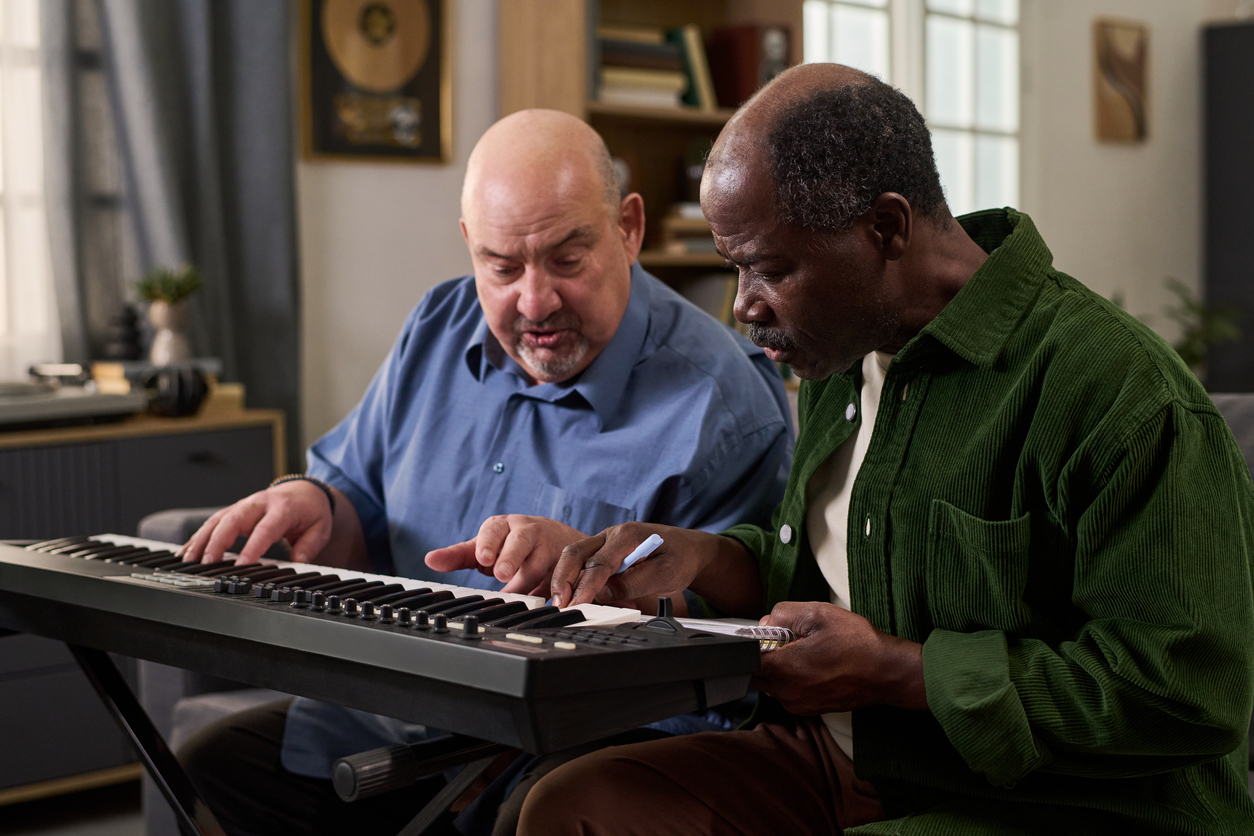
Summer is over and students have gone back to school for the year.But learning doesnt have to end when you graduate from high school or college.Whether youre studying a new language, exploring watercolor painting, taking an online history course or mastering a musical instrument, lifelong learning offers benefits that extend far beyond personal satisfaction.
Research increasingly shows thatstaying mentally engaged throughout lifecanoptimizebrainfunction, improve emotionalwell-beingand contribute tooverallhealthier aging.And now that learning isnt mandatory, you can pick and choose what you want to learn! The Connection Between Learning and Brain Health Our brainsremaincapable of adapting and forming new connections throughout our lives, aprocess known as neuroplasticity.Challenging the brain with new information and skills helps strengthen these neural pathways, making the brain more resilientas we grow older.Studies have found that people who regularlyparticipatein intellectually stimulating activities tend tomaintainstronger cognitive abilities later in life.
Whilecontinuouslearning cannot guarantee the preventionofconditions such as dementia, it may help build cognitive reserve.That isthe brains ability to compensate for changes associated with aging.This reserve may allow individuals to maintain memory,reasoningand problem-solving skills for longer.Reading, attending lectures,completing puzzlesor learningnew technologiesare just a few activities that canencourage the brain to stay active and adaptable.
Mental Health Benefits ofChallenging the Brain Continuing education canalso support emotional well-being.Acquiringnew skills often brings a sense of accomplishment and confidence.Whetheritstaking a photography orbasic coding class at the local community college,achieving learning goals can increase self-esteem and foster a positive outlookon life.Both are linked to better mental health.These types ofactivitiescanalso provide opportunities for social interaction.Community-basedclassesanddiscussion groupshelp people build relationships and reduce feelings of isolation.Strong social connections have long been associated with lower rates of depressionand other mental health challenges.
Additionally, engaging in learning experiencesyou enjoyreducesstress by providing a productive,meaningful outlet.Concentrating on a new hobbyredirects your attention from concerns of the day andencouragesmindfulness.Lifelong Learning and Healthy Aging Maintaining your health asyouageshould include a focus onphysical,mentalandemotionalwellness.Lifelong learning supports all three.Older adults whoremainintellectually engaged oftenreport greaterfunctionalindependenceand higher quality of lifeas they grow older.
Research also suggests that continued education and mentally stimulating activities are associated with slower cognitive decline.While many factors influence aging, regularly exercising the brain appears to contribute tomaintainingmental sharpness.Simple Ways to Keep Learning While its definitely beneficial, you dont need to enroll in a university program to enjoy the benefits of lifelong learning.Small, consistent efforts can make a significant difference.But how can you continue learning without breaking the bank? Here are a few ideas: Read books on topicsyouvenever explored before.
Take free or low-cost online courses.Learn a new language using a mobile app.Practicea musical instrument.
Try creative hobbies like painting,knittingor photography.Attend local workshops,lecturesor community classes.Volunteer in roles that teach new skills.
Play strategy games,chessor logic puzzles.The key is to choose activities that are both enjoyable andappropriatelychallenging.Learning should stretch your abilities without becoming overwhelming.
Making Learning a Lifelong Habit Consistency matters more than intensity.Setting aside even 20 to 30 minutes a few times each week for learning can become a sustainable routine.Establish realistic goals, celebrateprogressanddontbe discouraged bymistakes;theyrea natural part of learning.
Itsalso helpful to vary your activities.Combining reading, hands-on practice,conversationand creative projects keeps your mind engaged indifferent waysand prevents boredom.Most importantly, choose subjects that genuinely interest you.
Curiosity is one of the strongest motivators for lifelong learning, making it easier to stay committed over time.We Support Lifelong Learning AtASCcampusesacross Indiana, we make it easier tolearnnew hobbies and skills.From arts and crafts workshops to current event discussions and book clubs, residents have a wide range of programs toparticipatein every day.Call or visit an ASC location near youto schedule a private tour of one of our communities and join our residents in an activity of your choosing.
Its the best way to see how vibrant community living can be, and a great way to have a whole lot of fun!
Disclaimer: This story is auto-aggregated by a computer program and has not been created or edited by Senior Savings Deals.
Publisher: Senior Living Communities ( Read More )
Publisher: Senior Living Communities ( Read More )