
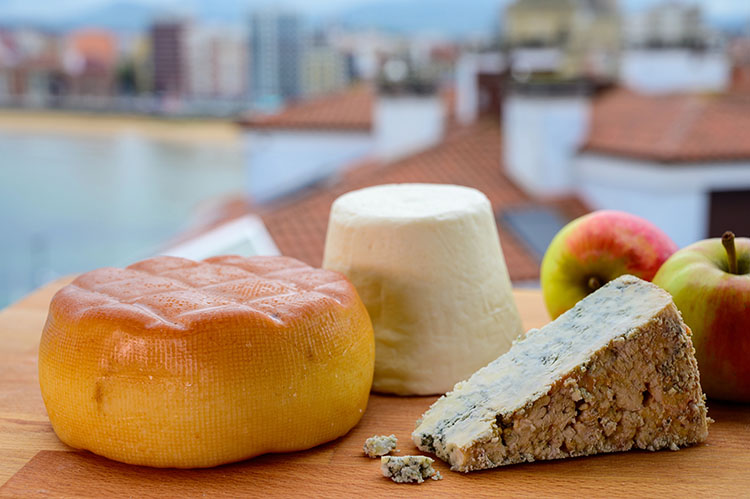
By Carolyn WorthingtonWhen it comes to cheese, my thoughts used to go to France, Italy, and sometimes to America for local goat cheese!But on a trip to Spain, I was surprised by the amazing variety of cheeses to sample.Yes, Spain may be famous for its tapas, paella, olive oil, and wines, but theres another culinary treasure to explore: cheese!Great news for a cheese lover like me!Across the country, cheesemaking traditions reflect the landscapes, climates, and cultures of Spains diverse regions.From the green mountains of Asturias to the wide-open plains of Castilla-La Mancha, local cheeses tell the stories of generations of shepherds, farmers, and artisan producers.For travelers who enjoy discovering a destination through its food, Spanish cheese makes a delicious starting point.A visit to a local cheesemaker, a stroll through a village market, or a tasting paired with regional wines can turn an ordinary sightseeing day into a memorable cultural experience.More Than ManchegoAsk Americans to name a Spanish cheese, and Manchego is likely to come to mind.
Made from the milk of Manchega sheep in Castilla-La Mancha, this firm, flavorful cheese is among Spains best-known culinary exports.But theres much more to explore.Spanish cheeses are made from sheeps, goats, and cows milk, sometimes blended.Some are aged for months, developing complex, nutty flavors.Others are soft and creamy, meant to be spread on bread or eaten with a spoon.
Still others are smoked or ripened in mountain caves.When you visit Spain, make sure to visit the local markets to get a firsthand glimpse of regional cheeses, meats, and vegetables.For example, Vic, 43 miles from Barcelona, has a traditional market thats fun to visit on Tuesdays, as I did.Whether youre already a turophile (lover or connoisseur of cheese) or simply curious about Spanish cheeses, here are five regional specialties worth getting to knowand the places that make them especially worth visiting.Five Cheeses, Five Reasons to Explore Spain1.Manchego: Discover the Land of Don QuixoteCastilla-La Mancha, in central Spain, is a land of vineyards, olive groves, historic villages, and the windmills made famous by Cervantes Don Quixote.Its also the home of authentic Manchego cheese, made exclusively from the milk of local Manchega sheep.Its flavor ranges from mild and buttery to rich and pleasantly sharp, depending on how long it has aged.Why visit? Tour a local cheesemaker, sample different ages of Manchego, and combine your tasting with visits to traditional windmills, wineries, and historic towns.2.
Cabrales: A Taste of the Asturian MountainsIn northern Spain, the dramatic Picos de Europa mountains provide the setting for Cabrales, one of the countrys most distinctive blue cheeses.Made from cows milk or a mixture that includes sheeps and goats milk, Cabrales develops its strong, complex flavor as it matures in natural mountain caves.Why visit? Explore Asturiass charming villages and mountain scenery, where local cheese traditions remain part of daily life.The area around Arenas de Cabrales provides opportunities to discover the cheese alongside some of Spains most spectacular landscapes.3.Torta del Casar: A Creamy Surprise in ExtremaduraIn western Spain, Extremadura produces one of the countrys most distinctive cheeses.
Torta del Casar is made from sheeps milk and traditionally coagulated with wild thistle.Beneath its rind lies a soft, creamy interior that can be scooped out and spread on crusty bread.Its rich, slightly bitter flavor makes it especially memorable.Why visit? Extremadura has developed an official Extremadura Cheese Route that connects cheesemakers, farms, restaurants, and accommodations.Travelers can combine tastings with visits to medieval Cceres, Roman Mrida, and the regions beautiful countryside.4.
Idiazabal: Basque Country TraditionsThe lush green hills of the Basque Country and neighboring Navarre are home to Idiazabal, a sheeps milk cheese that may be smoked or unsmoked.Its firm texture and rich, nutty flavor make it a favorite for cheese boards and regional dishes.Why visit? The village of Idiazabal features an interpretation and tasting center dedicated to the cheese.Visitors can also explore the traditional Ordizia market, meet local producers, and discover a region celebrated for its culinary traditions.5.Tetilla: Galicias Gentle FavoriteIn Spains northwestern corner, Galicia offers a milder alternative to the countrys stronger cheeses.Tetilla (Spanish for little breast), made from cows milk, is easily recognized by its rounded, pointed small breast shape.
Its creamy texture and gentle flavor make it particularly approachable for those new to Spanish cheeses.Why visit? Galicias green countryside, fishing villages, historic towns, and famous Camino de Santiago pilgrimage routes provide a wonderful setting for culinary exploration.Local markets and cheese producers offer opportunities to discover Tetilla and other regional specialties.How to Enjoy Spanish Cheese Like a LocalYou dont need to be a cheese expert to appreciate Spains offerings.In fact, tasting several varieties side by side is one of the best ways to notice their differences.Start with a mild cheese and work up to stronger flavors.
Try them with crusty bread, Spanish almonds, olives, or membrillo, the traditional quince paste often served alongside Manchego.Regional wines can add another dimension to the experience.In Spain, local food and wine traditions have evolved together, making regional pairings especially interesting.When shopping for Spanish cheese, look for the letters DOP, meaning Denominacin de Origen Protegida, or Protected Designation of Origin.This European certification identifies cheeses produced according to specific standards within designated geographic areas.Make Cheese Part of Your Next Spanish AdventureFor travelers planning a trip to Spain, food experiences offer an opportunity to connect with local culture beyond the usual sightseeing itinerary.Visit a traditional market.
Arrange a cheesemaker tour.Try a regional cheese youve never heard of.Ask a restaurant to recommend a local specialty.These small culinary discoveries can become some of the most memorable parts of a journey.
And the next time your travel companion points a camera at you and says, Say cheese! youll have a little more to smile about.
Disclaimer: This story is auto-aggregated by a computer program and has not been created or edited by Senior Savings Deals.
Publisher: Healthy Aging ( Read More )
Publisher: Healthy Aging ( Read More )