
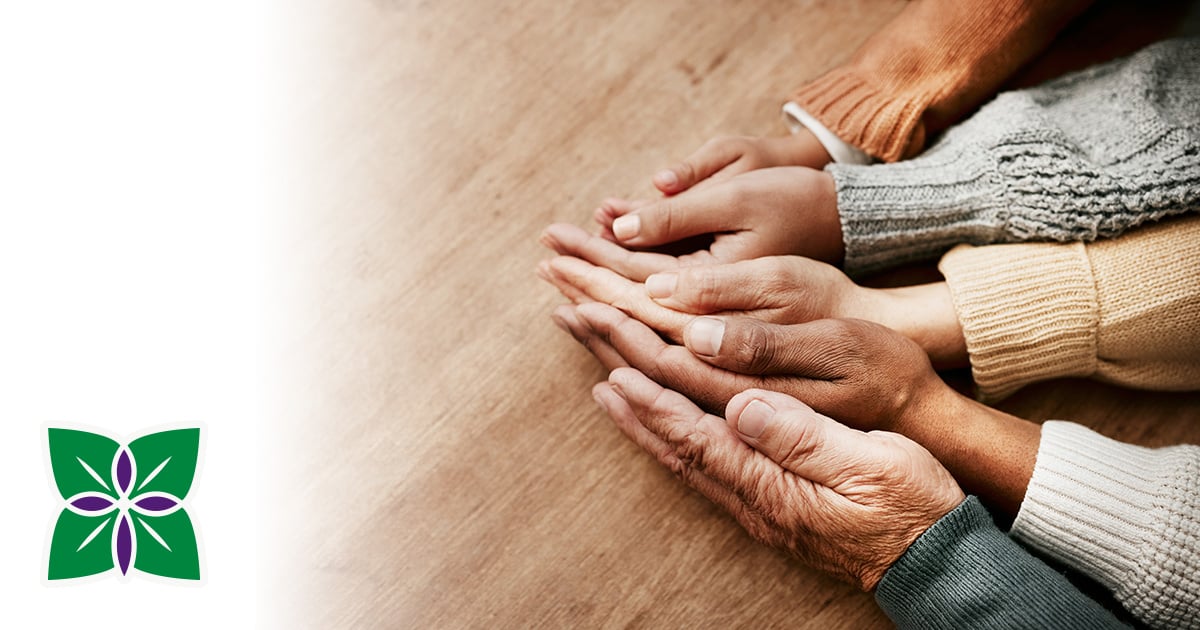
Celebrating spirituality and faith is a personal journey, one shaped by family traditions and beliefs that can shift and grow over time.That journey often includes learning from traditions outside our ownand weaving pieces of our own practices into new celebrations.How people engage spiritually also tends to differ by generation, shaped by the experiences and values each generation brings.Across Presbyterian Senior Living communities, we honor a multitude of spiritual beliefs and faiths, celebrated together by residents, families, and team members.
The richness of these celebrations comes from recognizing what each generation contributes.Defining Spirituality vs Faith TraditionsWhile spirituality and faith are often discussed together, they are not always experienced in the same way.Understanding the distinction can help us better appreciate the diverse beliefs and practices represented within senior living communities.SpiritualitySpirituality is the universal human desire for connection, meaning, and purpose beyond the physical self.It is the personal, internal experience of and relationship with the transcendent, the sacred, or the Divine.Faith TraditionsFaith traditions are structured systems of beliefs, practices, and cultural rituals passed down through generations within a religious or spiritual community.
Faith traditions refer to a set of customs, beliefs, and practices that are transmitted across generations and rooted in a particular religious or spiritual ideology.They provide a framework for understanding the world, guiding moral behavior, shaping personal and communal identity, and fostering a sense of belonging among adherents.At their core, faith traditions are built on faith, which in religious contexts is the trust or confidence in a higher power, divine principles, or sacred teachings.Just as spirituality and faith are expressed differently from person to person, perspectives are often shaped by the generation in which someone grew up.
Residents, adult children, grandchildren, and team members may each approach spirituality through a different lens, influenced by their life experiences and the cultural shifts of their time.Definitions of GenerationsTo further expand the lens of spirituality and faith through generations, it is helpful to have a baseline for what is considered the definitions of the generations.Older Generations (Boomers/Elders)Born 1946 to 1964: Often view spirituality and religion as synonymous.For this demographic, to be highly spiritual is to actively participate in the religious institution.Middle Generations (Gen X/Millennials)Born 1965 to 1996: Popularized the "Spiritual But Not Religious" (SBNR) movement.They drove a wedge between the two concepts, seeking the internal experience (spirituality) while often rejecting the external institution (religion) due to burnout or skepticism.The Emerging Generation (Gen Z)Born 1997 to 2012: They are actively seeking to reintegrate the two.
Their push toward "Ancient-Future" worship is a profound desire to use the structured, historic tools of Religion (liturgy, creeds, sacraments) to achieve deep, authentic Spirituality (internal peace, mental clarity, and direct communion with God).These generational influences can also shape how individuals participate in faith communities, seek meaning, and engage in spiritual practices.While every person is unique, understanding broad generational trends can help foster greater empathy and connection.Spiritual Engagement by Generations:Gen Z (The "Holiness Seekers")Burned out on "hype" and "entertainment-style" church.They are gravitating toward "Rule of Life" communitiesstructured spiritual disciplines like fasting, Sabbath, and communal living.Millennials (The "Impact Givers")They give at higher rates than Boomers (42% vs 30%) but only when they see a direct, tangible impact on the community or social justice.Boomers (The "Stable Core")Currently feeling "sidelined" as churches pivot to reach younger demographics.
They prioritize the church as an institution of moral stability.In a senior living setting, multiple generations interact every day.Residents connect with adult children and grandchildren, team members represent a range of generations, and faith leaders support individuals with diverse spiritual backgrounds.Creating opportunities for mutual understanding can help strengthen relationships and build a more inclusive community.The Pillars Bridging the GenerationsIn looking at the diversity of faith and spiritual practices amongst generations building a bridge to connect all generations strengthens the community.
To build this bridge we share the three pillars below:Pillar 1: Two-Way Mentorship (The Wisdom-Energy Exchange)The most successful bridge-building does not treat younger generations as "projects" for older generations to fix.It treats them as equal partners.The Traditional Flow: Boomers and Gen X offering stability, institutional wisdom, and historical perspective to younger generations craving rootedness.The Reverse Flow: Gen Z and Millennials offering technological fluency, mental health awareness, and a renewed zeal for authenticity to older generations who may feel stagnant or disconnected.In Practice: Launching "Co-Mentorship" pairings instead of traditional top-down discipleship.This feeds the Soul (connection/empathy) of both generations.Pillar 2: Unified Worship ("Ancient-Future" Integration)You cannot build a bridge if the generations are never in the same room.
The trend of hosting a "Traditional Service" at 9:00 AM for Boomers and a "Contemporary Service" at 11:00 AM for Millennials is dying.The Shift: Blending the elements.Singing a 400-year-old hymn alongside a modern, acoustic worship song.Incorporating liturgical readings or moments of corporate silence into a contemporary setting.The Result: Older generations feel their heritage is honored; younger generations experience the deep, historic roots of faith they are actively seeking.
This feeds the Spirit (communion with the Divine).Pillar 3: Shared Mission (Working Shoulder-to-Shoulder)Generational divides shrink drastically when people are working side-by-side on a shared goal.Empathy is built faster through shared action than through sitting in a circle talking.The Driver: Millennials and Gen Z are highly motivated by justice, community impact, and tangible action.Boomers and Gen X have the resources, organizational skills, and discipline to execute long-term projects.In Practice: Organizing multigenerational volunteer opportunities, collecting donations for local organizations, mentoring students, creating care packages, sharing life stories, or partnering with local schools and community groups.Whether discussing faith traditions, spiritual practices, or personal beliefs, meaningful relationships are built through mutual respect.
This is especially important in diverse senior living communities where residents, families, and team members may bring different perspectives and experiences.The Mortar: Empathy and GraceA bridge is made of rigid materials, but it needs flexible mortar to withstand the wind.In a church context, that mortar is empathy.Older generations must have grace for the mental health struggles and deconstruction questions of the young.Younger generations must have grace for the traditions and institutional loyalty of their elders.At Presbyterian Senior Living, residents, families, and team members bring a wide range of spiritual beliefs, faith traditions, and life experiences to our communities.By embracing these differences with empathy, curiosity, and respect, we can create opportunities for connection across generations and foster a deeper sense of belonging for all.Presbyterian Senior Living works with Senior Living Chaplains, and we thank them for the resources used in this blog.
Disclaimer: This story is auto-aggregated by a computer program and has not been created or edited by Senior Savings Deals.
Publisher: PSL Blog ( Read More )
Publisher: PSL Blog ( Read More )