
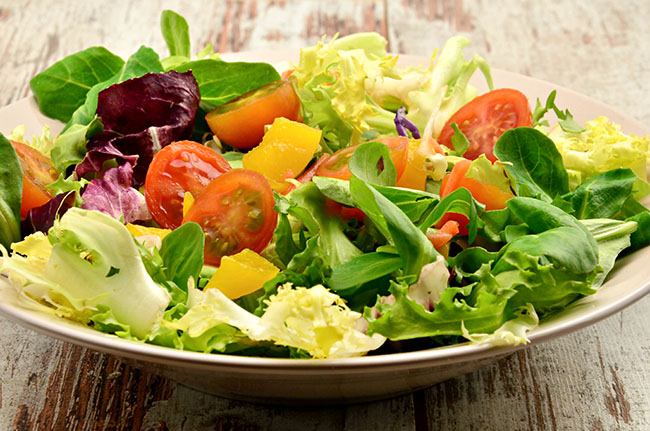
Weve all heard the saying, Eat your veggies! Its advice that probably goes back to childhood, when someone at the dinner table insisted we finish our broccoli, carrots, or green beans before dessert.But are you still wondering what all the hype is about? We know they are good for us, but why are they so important to our health? And just how much should we really be eating?With fall bringing an abundance of colorful, flavorful vegetables to farmers markets and grocery stores, theres no better time to take a closer look.Why Are Vegetables So Good for Us?Vegetables are nutritional powerhouses.Theyre packed with vitamins, minerals, fiber, and naturally occurring plant compounds that help keep our bodies functioning at their best.One of their biggest advantages is that they deliver plenty of nutrients without a lot of calories.Many vegetables also contain substantial amounts of water and fiber, helping us feel satisfied without overeating.Here are some of the ways vegetables contribute to better health:Heart health.
Many vegetables provide potassium, which helps regulate blood pressure.Fiber-rich vegetables can also contribute to healthier cholesterol levels.The American Heart Associations 2026 dietary guidance emphasizes eating plenty of vegetables and fruits as part of a heart-healthy dietary pattern.Digestive health.
Fiber helps keep the digestive system functioning properly and supports beneficial bacteria in the gut.It can also help prevent constipation, a concern that may become more common with age.Weight management.Vegetables add volume to meals without adding excessive calories.
Their fiber and water content can help us feel full longer.Immune support.Nutrients such as vitamins A and C play important roles in maintaining a healthy immune system.Long-term health.Research has linked vegetable-rich eating patterns with a lower risk of certain chronic diseases, including type 2 diabetes.How Many Vegetables Should We Eat?Heres where things get interesting.
Many of us probably arent eating as many vegetables as we think.In fact, a CDC analysis of 2019 survey data found that only about one in ten American adults met the recommended daily vegetable intake.According to the American Heart Associations serving-size guidance, approximately 2 cups of vegetables per day is a useful benchmark for someone following a 2,000-calorie eating pattern, although individual needs vary.What counts as a cup? Generally, one cup of raw or cooked vegetables qualifies, while two cups of raw leafy greens count as one cup.That might sound like a lot, but spread throughout the day, it becomes manageable.A handful of spinach in an omelet, a salad at lunch, and roasted vegetables with dinner can add up quickly.And remember, variety matters.Different vegetables provide different nutrients, so eating a colorful assortment is more beneficial than relying on the same few choices every day.Falls Nutritional All-StarsAutumn offers some especially nutritious vegetables worth adding to your shopping list.Pumpkin and winter squash are rich in beta-carotene, which the body converts to vitamin A to support vision and immune health.
Theyre also sources of fiber and potassium.Sweet potatoes provide beta-carotene, vitamin C, potassium, and fiber.Roast them, mash them, or add them to soups.Brussels sprouts deliver vitamin C, vitamin K, and fiber.Roasting them with olive oil brings out their natural sweetness.Carrots are another excellent source of beta-carotene and make a wonderful addition to soups, stews, and roasted vegetable dishes.Cabbage and kale offer vitamin C, vitamin K, and beneficial plant compounds.
Both are versatile ingredients for cooler-weather cooking.And dont overlook vegetables such as cauliflower, beets, and turnips.Fall is a wonderful season to experiment with varieties you might ordinarily pass by.Do You Need to Become a Vegetarian?Not necessarily!While vegetarian and plant-based diets can offer important health benefits, theres no need to eliminate meat entirely to improve your eating habits.A plant-forward approach simply means making vegetables, fruits, whole grains, beans, and other plant foods a bigger part of your meals.Try replacing meat with beans or lentils occasionally, preparing a vegetable-based soup, or making a colorful grain bowl your main course.Even a couple of meatless meals each week can introduce new flavors, increase dietary variety, and help you discover foods you might otherwise overlook.And theres no reason vegetables need to be boring.Roasting, grilling, sauting, and seasoning them with herbs and spices can transform even the most ordinary ingredients into something delicious.Why Not Give It a Try?Looking for a little inspiration?Cinzia Trenchis Vegan Cookbook: Tasty Recipes and Tips for Your Health offers a collection of creative, meat-free recipes that make experimenting with plant-based meals appealing and approachable.Organized around grains, legumes, vegetables, fruits, and flours, the cookbook includes everything from savory entres to tempting desserts, along with useful information about ingredients and preparation.You dont need to become a vegan to enjoy the recipes.
Whether youre looking to add more vegetables to your meals or simply try something new, the cookbook offers plenty of ideas.Heres one colorful recipe to get you started.Brown and Red Rice with Crunchy Vegetables and Paprika CreamMakes 4 servingsFor the decoration:1 carrot1 zucchiniRind of 1/2 orangeFor the base:1/2 cup brown rice1/2 cup red rice1/2 cup dairy-free cream3 tablespoons extra virgin olive oil12 basil leaves, washed and dried1 teaspoon paprikaSalt and pepperPre-heat the oven to 400 degrees F.Cut the vegetables and orange rind into strips and roast until crispy.Wash the two types of rice separately and boil covered, still separately, for 10 minutes in double their volume of water.Turn off and leave to stand for 30 minutes, after which the grains should be cooked and the water completely absorbed.Put the red rice in a bowl and season with oil, and salt and pepper to taste.
Put the brown rice in another bowl and add the cream, paprika and salt and pepper to taste.Mix well.When preparing the food on the plate, use a ring to help you: create the first layer with brown rice, decorate with 3 basil leaves and add a second layer of red rice.Decorate with the crunchy vegetables and serve.Reprinted with permission from Sterling Epicure.Vegan Cookbook: Tasty Recipes and Tips for Your Health.
Text and Photos by Cinzia Trenchi.
Disclaimer: This story is auto-aggregated by a computer program and has not been created or edited by Senior Savings Deals.
Publisher: Healthy Aging ( Read More )
Publisher: Healthy Aging ( Read More )