
The following article is adapted from a feature that originally appeared in Healthy Aging Magazine.To continue reading this article and more like it, log in or subscribe to Healthy Aging Magazine, the lifestyle magazine that is all about following your passion and what you can do rather than what you cant.In a fast-moving world where schedules rarely align, and meals are often rushed, food and family connection plays a more important role than ever.
Yet its often in these everyday momentsaround a kitchen table, over a shared dishthat some of lifes most meaningful connections are made.Food has always been about more than nourishment.Its memory, tradition, and identity.A favorite recipe can transport us back decades, recalling not just flavors, but peoplewho we were with, what we celebrated, and how we felt.
For many, these connections deepen with age, as meals become a way of preserving family history and passing it forward.The Role of Food in ConnectionAcross cultures, food brings people together.It marks celebrations, comforts during difficult times, and provides a natural setting for conversation.Whether its a holiday gathering, a casual dinner with friends, or a quiet meal with family, the act of sharing food creates space for connection in a way few other rituals do.Research continues to show that social interaction plays a key role in overall well-being, particularly as we age.
Shared meals offer an easy and enjoyable way to stay engagedencouraging conversation, strengthening relationships, and reducing feelings of isolation.Where Recipes Meet RelationshipsThe connection between food and relationships is at the heart of Phils Favorites: Recipes from Friends and Family to Make At Home by Phil Rosenthal.Rather than presenting recipes in isolation, the book weaves them together with the people and moments behind them.Rosenthal draws from his own familyhis wife, children, and brotheras well as a wide circle of friends and chefs he has encountered through years of travel.The result is a collection that feels less like a traditional cookbook and more like a series of shared experiences.
Each recipe carries a sense of place and meaning, whether its something prepared at home or discovered abroad.What stands out is the emphasis on why the dish matters.A simple meal becomes memorable because of who it was shared with.A restaurant experience becomes lasting because of the company and conversation that surrounded it.
The recipes themselves are approachable, but its the contextthe relationshipsthat gives them meaning.This approach reflects something many readers will recognize: the meals we remember most clearly are rarely about complexity or presentation.Theyre about connection.Stories at the TableWhat often makes a meal memorable isnt just whats served, but the stories that come with it.A dish passed down through generations carries with it a sense of continuity.
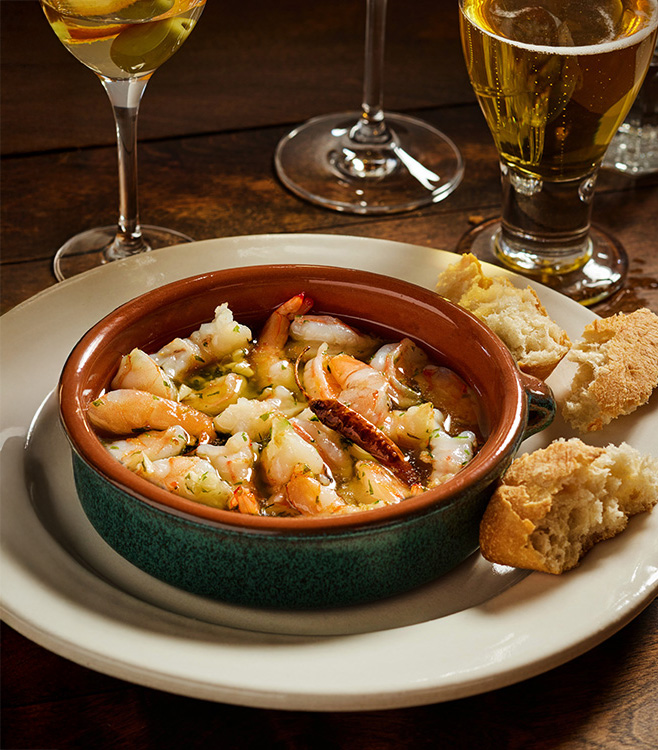
A recipe discovered while traveling becomes part of a personal narrative.Even a simple weeknight dinner can take on meaning when it becomes a regular gathering point.In Rosenthals collection, that storytelling element is front and center.Recipes like Gambas al Ajillo, inspired by a meal in Madrid, or a slow-braised braciole rooted in family tradition, are presented alongside the experiences that brought them to the table.
They are dishes meant not just to be prepared, but to be shared and talked about.Family Traditions, Old and NewFor many families, traditions are rooted in the kitchen.A holiday dish prepared the same way year after year.A favorite dessert made for birthdays.
A meal that signals the change of seasons.At the same time, traditions continue to evolve.New recipes are added.Influences from travel and different cultures find their way into familiar routines.
These additions dont replace the pastthey expand it.Dishes inspired by different regions and cultureswhether from a neighborhood restaurant or a distant cityoften become part of a familys own story, blending heritage with new experiences.A Simple but Lasting ImpactYou dont need elaborate meals or hours in the kitchen to create meaningful moments.Often, the simplest dishesprepared and sharedare the most impactful.What matters most is the act of coming together.For those in the 45-plus community, this can take many forms: cooking with grandchildren, hosting friends, or simply making time for regular family meals.
Each of these moments contributes to a sense of connection and well-being.In the end, food is one of the most accessible ways to bring people together.It invites us to slow down, to share, and to be presentsomething that becomes increasingly valuable at every stage of life.Recipe PreviewLa Casa del Abuelos Gambas al Ajillo (Garlic Shrimp)Feeds 2 for Tapas6 to 7 ounces (about 180g) medium or large shell-on shrimp, preferably Atlantic whiteCoarse sea salt4 to 5 medium very fresh garlic cloves3 to 4 generous pinches (1 to 1 1/2 teaspoons) finely chopped flat-leaf parsley, leaves onlyAbout 2/3 cup (165ml) extra-virgin olive oil (Arbequina)1 dried whole cayenne pepper or chile de rbolFreshly ground black pepperTO SERVE3 to 4 panecillo tetia (Spanish rolls), or ciabattaPrep:Put a small (roughly 6-inch/15cm) cazuela or similar terra-cotta cooking dish on the stove; if the cazuela is new, put a heat diffuser beneath it (see Tips).Have hot pads or kitchen towels near the stove.Peel and devein the shrimp, and rinse under cold water.
If large, cut the shrimp in half to make large bite-size pieces, and season lightly with salt.Slice off the root end from the garlic cloves and peel them with your fingers without smashing the cloves.Chop the cloves to roughly the size of whole black peppercorns.Mix about 2 1/2 tablespoons chopped garlic with the parsley.Cook the shrimp: Pour enough olive oil into the cazuela to come about one third up the sides of the dish.Add the whole cayenne pepper and heat the oil slowly over medium heat.
When tiny bubbles begin to rise to the surface of the oil around the edges of the cazuela, about 5 minutes, add the garlic-parsley mixture (it should bubble vigorously).Use a metal spoon to spread it out in a single layer and poach the garlic in the oil until fragrant, 30 to 45 seconds; the garlic should not color.Stir the garlic, then add the shrimp and spread it out in a single layer.Cook the shrimp just until pink on the edges but the center is still translucent, about 1 1/2 minutes.
(The shrimp will continue to cook off the stove.) Lightly season the shrimp with salt and pepper.Serve:Use hot pads to carefully transfer the cazuela (it will be very hot) to a heat-proof countertop or plate.Serve the shrimp right away with the bread.***In the full feature article youll discover additional standout recipes including:Debra Barones BracioleSubscribers can read the complete article and more recipes in the latest issue ofHealthy AgingMagazine.Recipes excerpted fromPhils Favorites: Recipes from Friends and Family to Make at Home.Copyright 2025, Phil Rosenthal and Jenn Garbee.Photography Copyright 2025 by Andrea DAgosto and Richard Rosenthal.
Reproduced by permission of Simon Element, an imprint of Simon & Schuster.All rights reserved.Photo: Andrea DAgosto
Disclaimer: This story is auto-aggregated by a computer program and has not been created or edited by Senior Savings Deals.
Publisher: Healthy Aging ( Read More )
Publisher: Healthy Aging ( Read More )