
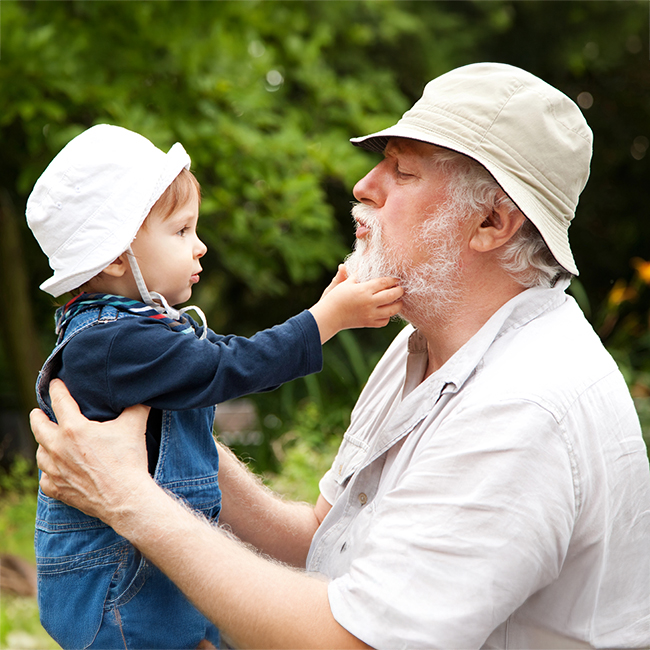
If you are lucky enough to live near your grandchildren, you have an added bonus beyond simply spending time together.That connection may also benefit brain health, reinforcing growing interest in the link between grandparenting and brain health.In the United States, about half of grandparents live within 10 miles of a grandchild, making regular interaction and caregiving more feasible.They are, indeed, the lucky ones.A recent study published in Psychology and Aging suggests that grandparents who help care for their grandchildren may maintain stronger cognitive function and experience a slower rate of decline over time.
Caregiving was defined in the study as watching grandchildren overnight, caring for ill grandchildren, playing or engaging in leisure activities, helping with homework, driving grandchildren to school and activities, preparing meals and more.According to the study, Helping to care for grandchildren may serve as a buffer against cognitive decline in older adults.Perhaps most encouraging, the researchers found that the benefits were not tied to how often grandparents provided care or to any specific activity.In other words, its not about doing moreits about staying involved.Even occasional time spent together may offer meaningful benefits.Why Grandparenting May Support Brain HealthThe connection between an active lifestyle and cognitive health is well established.
Lowering your risk of cognitive decline has historically been linked to staying mentally and socially engaged.Grandparenting brings several of those elements together in a natural way.Mental stimulation comes from everyday interactionsanswering questions, telling stories, and adjusting to a childs curiosity and energy.These small, unscripted moments keep the mind active and engaged.Social connection is built in.Spending time with grandchildren creates meaningful interaction across generations, something research has consistently linked to better cognitive outcomes.The National Institute on Aging highlights social engagement, physical activity, and mentally stimulating activities as key factors in maintaining cognitive health as we age.Physical activity often follows, whether its a walk, a game, or simply staying active throughout the day.
Even light movement can support overall brain and body health.And just as important, there is a sense of purposea role that feels needed, valued, and connected to family life.That sense of purpose has been associated with better emotional well-being, which in turn supports cognitive health.There is, however, an important balance to consider.When caregiving becomes intensive, stressful, or feels more like an obligation than a choice, the benefits may diminish.In some cases, it may even have the opposite effect.
The most positive outcomes tend to occur when grandparents feel supported and are able to participate on their own terms.The difference often comes down to context: Is the role voluntary? Is there support from family? Is there still time for personal health and independence?Staying EngagedWithout Overdoing ItFor grandparents, the takeaway isnt to do moreits to stay involved in a way that feels both meaningful and manageable.A few practical approaches:Keep it flexible.You dont need a full-time role.Even occasional involvement can be beneficial.Engage the mindReading together, playing games, or helping with schoolwork naturally support memory and communication.Stay active togetherSimple activitieswalks, outdoor playbenefit both generations.Maintain your own routineYour health, friendships, and interests still matter.Set boundaries when neededClear expectations help keep the experience positive.Focus on enjoymentOften, its the simple momentsconversation, laughter, shared timethat leave the greatest impact.A Two-Way BenefitGrandparents often step in to support their families.This research highlights that the relationship may work both ways.
Time with grandchildren isnt just something you giveit may also support your own cognitive health and overall well-being.Just as important, these relationships help strengthen family bonds across generationssomething that benefits children and adults alike.While research continues to evolve, one idea remains consistent: staying engaged, connected, and involved in life is one of the most effective ways to support long-term brain health.
Disclaimer: This story is auto-aggregated by a computer program and has not been created or edited by Senior Savings Deals.
Publisher: Healthy Aging ( Read More )
Publisher: Healthy Aging ( Read More )