
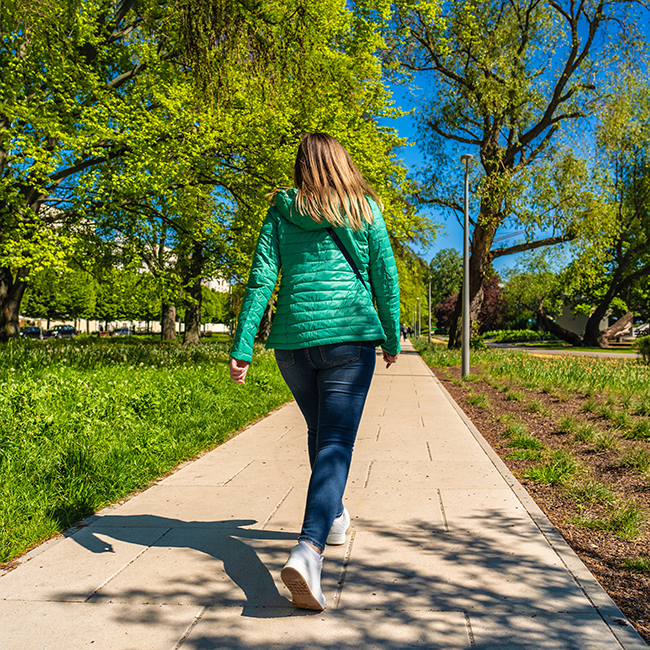
After an up-and-down winter weather, some of us might need a kickstart to get back to daily walking.As the calendar moves toward spring, one small change in the clock can be the wake-up call you need.Daylight Saving Time begins on Sunday, March 8, 2026, when clocks in most of the United States move forward one hour at 2:00 a.m.
Thats except for Hawaii and some parts of Arizona.So, its not too late to keep those New Years Resolutions you recently made!While losing an hour of sleep may take a day or two to adjust to, the shift also brings a welcome benefit: longer daylight in the evening.For many people, that extra hour of light becomes a perfect opportunity to get outside againespecially after a winter spent largely indoors.One of the easiest ways to take advantage of it is by restarting a simple walking routine.Walking remains one of the most accessible forms of physical activity at any age.
It requires little equipment beyond comfortable shoes and can be done almost anywherethrough neighborhoods, parks, waterfront paths, or nature trails.Even short walks can help refresh energy and provide a welcome break from indoor routines.Health experts consistently point to walking as a practical way to maintain overall well-being.According to the Centers for Disease Control and Prevention, regular physical activity such as brisk walking can help reduce the risk of heart disease, improve sleep, and support both physical and mental health.
Activities that are easy to incorporate into daily life are often the ones people maintain over time.Beyond physical benefits, simply spending time outdoors can lift mood and reduce stress.The National Institute on Aging notes that regular activity helps maintain mobility, balance, and independence as we agemaking everyday activities like walking especially valuable.With longer daylight returning, early March offers a natural moment to begin again.Start Small and Build GraduallyWhen restarting a routine, the key is not distance or speed but consistency.Even a 10- to 15-minute walk is enough to begin rebuilding the habit.A short walk after dinner or during a midday break can quickly become part of a daily rhythm.
As stamina returns, many people naturally begin walking farther or more often.Take Advantage of the Extra Evening LightThe most noticeable benefit of Daylight Saving Time is the extended evening daylight.For people who work during the day or prefer walking after dinner, the extra hour of light can make outdoor activity far more appealing.Instead of heading straight indoors after work, a short walk around the neighborhood or a nearby park can become an enjoyable way to unwind.Explore New RoutesSpring also invites exploration.As trees begin budding and gardens prepare for bloom, local parks, botanical gardens, and waterfront trails offer fresh scenery after the quiet months of winter.Changing routes occasionally keeps walking interesting and can turn a routine outing into a small adventure.Walk With OthersWalking with a friend, neighbor, or family member often makes the activity easier to sustain.
Conversation can turn a short walk into a social highlight of the day.The American Heart Association encourages walking as a simple way to support cardiovascular health and suggests choosing activities that are enjoyable enough to maintain long term.A Simple Way to Welcome SpringThe arrival of Daylight Saving Time signals changing seasons.While it may take a day or two to adjust to the clock shift, longer daylight hours serve as a welcome reminder that warmer days are on the way.Stepping outside for a daily walkwhether around the block or through a favorite parkcan be one of the easiest ways to welcome the new season.Sometimes the simplest habits are the ones that bring the greatest rewards, and a walk in the fresh spring air is a good place to start.
Disclaimer: This story is auto-aggregated by a computer program and has not been created or edited by Senior Savings Deals.
Publisher: Healthy Aging ( Read More )
Publisher: Healthy Aging ( Read More )