
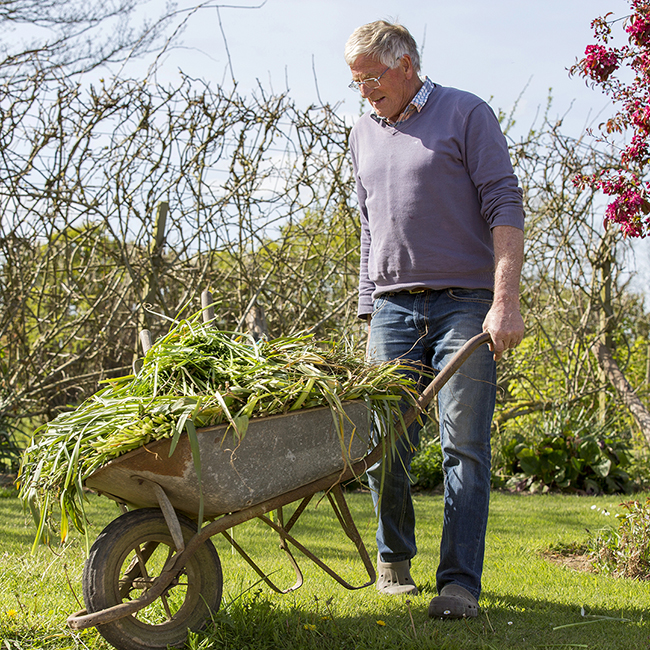
Spring is hereand with it, longer days that invite us back outside.Depending on where you live, you may be enjoying several more hours of daylight than you did just a few months ago.In fact, depending upon where you live in the U.S., you have some 4.5 to 5 hours more daylight than you did on the Winter Solstice (December 21)!That extra light means we can get going outside earlier and stay out later in the day.For many, that means heading straight to the garden.OK, lets be honest How many of you did just that this past weekend, only to find it was a lot harder to stand up straight by the end of the day?What a wake-up call, as you wonder, why is this so much harder than it used to be?The answer is simpleand important.Its not the gardening.Its strength.Why Strength Becomes Essential After 45Beginning as early as our 30s, the body gradually loses muscle mass in a process known as sarcopenia.
By midlife, that decline can accelerate if left unchecked.According to the National Institute on Aging, adults can lose 3% to 8% of muscle mass per decade after age 30.That loss isnt just about muscle tone.It directly affects how your body performs everyday tasksincluding gardening.Muscle plays a central role in:Balance and stabilityJoint protectionMetabolism and energy useBlood sugar regulationInjury preventionIn practical terms, it determines whether a day in the garden feels energizingor exhausting.Gardening Is Functional FitnessThink about what gardening actually requires:Leaning over to plant or weedSquatting or kneeling for extended periodsCarrying buckets of soil or debrisPushing a wheelbarrowTwisting, reaching, and liftingThese movements arent exercisebut they demand strength, mobility, and coordination.And thats exactly the point.Strength training isnt about lifting heavy weights in a gym.
Its about preparing your body for real-life movement.Muscle-strengthening activities are essential for maintaining independence and reducing the risk of injury, according to the Centers for Disease Control and Prevention, one of the leading causes of injury as we age.When your muscles are strong, youre better equipped to handle uneven ground, sudden shifts in balance, or the physical demands of a long afternoon outdoors.Strength Is About Function, Not Fitness TrendsTheres a common misconception that strength training has to be intense, time-consuming, or equipment-heavy.It doesnt.What matters most is functional strengththe kind that supports everyday activities like:Getting up from a kneeling position in the gardenLifting a bag of mulchCarrying tools across the yardStanding upright comfortably after bendingThese are not fitness goals.They are quality-of-life essentials.What to DoThe good news: you dont need a gym membership to build strength that supports your lifeand your garden.Simple, consistent movements can make a noticeable difference.Bodyweight ExercisesSquats (to mimic sitting and lifting)Wall push-upsStep-ups (stairs or a low platform)Modified planksResistance TrainingLight dumbbellsResistance bandsEven household items like filled water bottlesFunctional MovementSit-to-stand repetitionsCarrying light loadsBalance exercisesHow much to do? The American College of Sports Medicine recommends strength training at least two days per week, targeting all major muscle groups.The newly released guidelines emphasize what matters most is not intensityits consistency and proper form.Why Bother? Strength Helps Prevent InjuryThat stiffness you feel after the first few days of gardening isnt unusualbut it can become a problem if your body isnt prepared.Stronger muscles:Support your jointsImprove postureReduce strain on the lower backHelp prevent overuse injuriesCombined with flexibility and balance work, strength training can significantly reduce the risk of falls and injuries.The National Council on Aging identifies strength and balance exercises as key to maintaining independence.The Mental Benefits of Working StrongTheres another benefit that often goes unnoticed.Strength builds confidenceWhen your body feels capable, youre more likely to stay active, try new things, and engage fully in the activities you enjoywhether thats gardening, travel, or simply spending more time outdoors.Regular movement can also:Reduce stressImprove moodEnhance focusAnd theres something really satisfying about ending a day in the garden feeling pleasantly tirednot limited.Getting Ready for the SeasonIf youve already started gardening this spring, its not too late to support your body.A simple approach:23 days per week1520 minutes per sessionFocus on legs, core, and upper bodyAdd light resistance graduallyEven a short routine can help you move more comfortablyand recover more quicklyafter time in the garden.The Real Goal: Enjoying What You LoveStrength training after 45 is not about reversing time.Its about supporting the life you want to live now.It allows you to:Stay active longerMove with confidenceReduce discomfortMaintain independenceAnd yesspend a full afternoon in the garden without wondering if youll be able to stand up straight afterward.This spring, as you plant, prune, and prepare for the season ahead, consider one more investment.
Not just in your gardenbut in your strength.And, pat yourself on the back that you can lean over, plant and weed and actually stand-up straight afterwards!
Disclaimer: This story is auto-aggregated by a computer program and has not been created or edited by Senior Savings Deals.
Publisher: Healthy Aging ( Read More )
Publisher: Healthy Aging ( Read More )